Optimal Timing for Hedge Trimming
Hedge trimming timing depends on the type of hedge and local climate conditions. Proper timing ensures healthy growth, maintains appearance, and prevents damage. The most common periods for trimming are late winter to early spring and late summer to early fall, aligning with plant growth cycles.
Typically performed just before new growth begins, usually in late winter or early spring. It encourages dense, healthy growth and shapes the hedge for the growing season.
Done in late summer or early fall to maintain shape and remove any dead or overgrown branches. It can promote a fuller appearance before winter dormancy.
Performed after the main growing season to prepare the hedge for winter. It reduces wind resistance and removes any damaged branches.
Trimming during late fall or winter when plants are dormant can stress the hedge and lead to poor regrowth. Timing should avoid frost periods for best results.
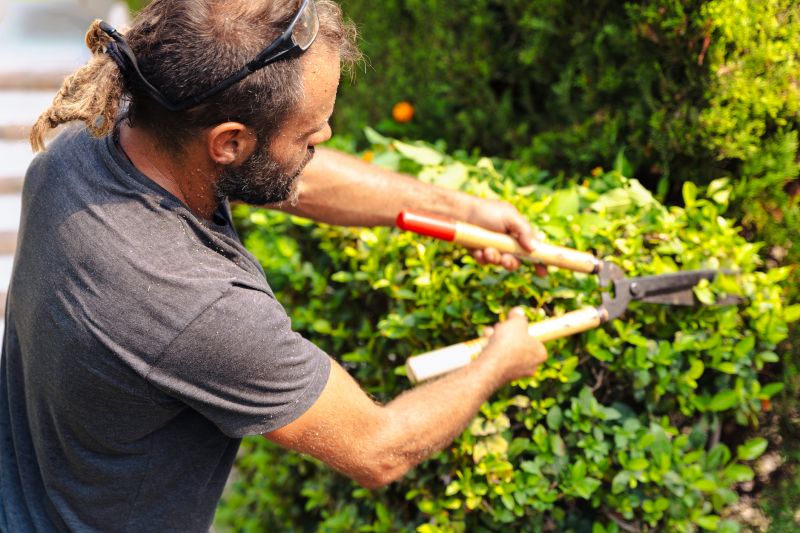
Ways to make Hedge Trimmings work in tight or awkward layouts.
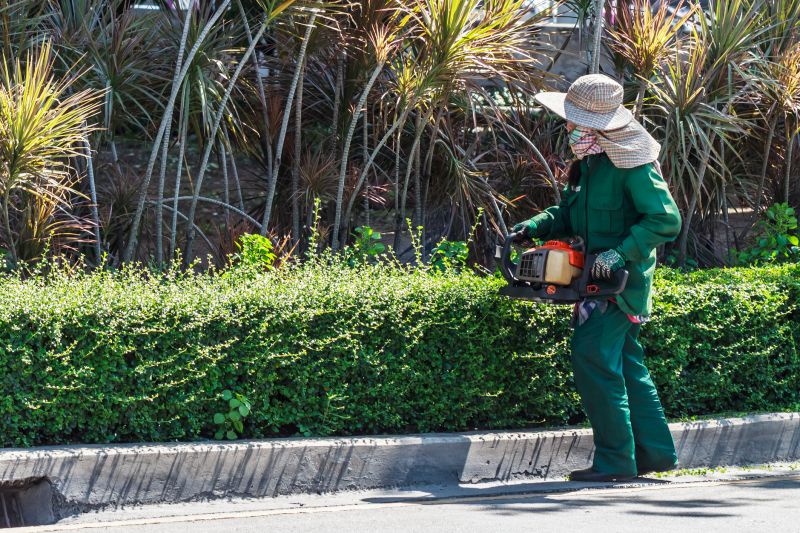
Popular materials for Hedge Trimmings and why they hold up over time.
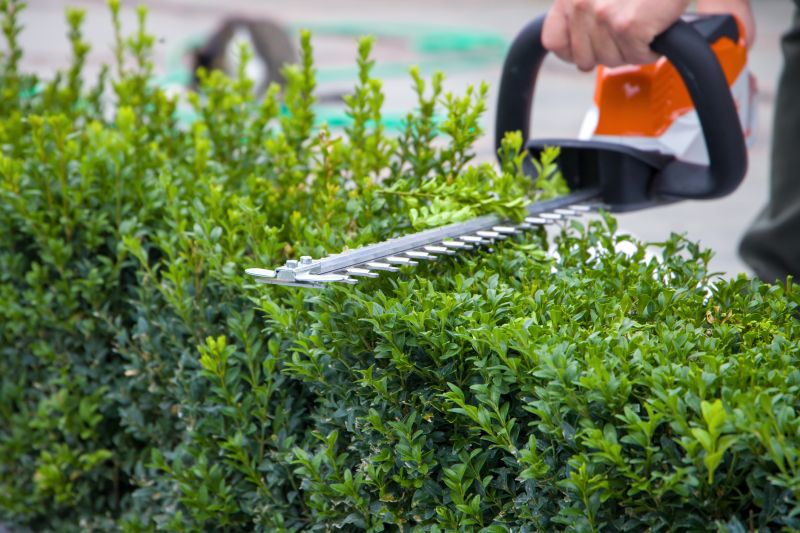
Simple add-ons that improve Hedge Trimmings without blowing the budget.
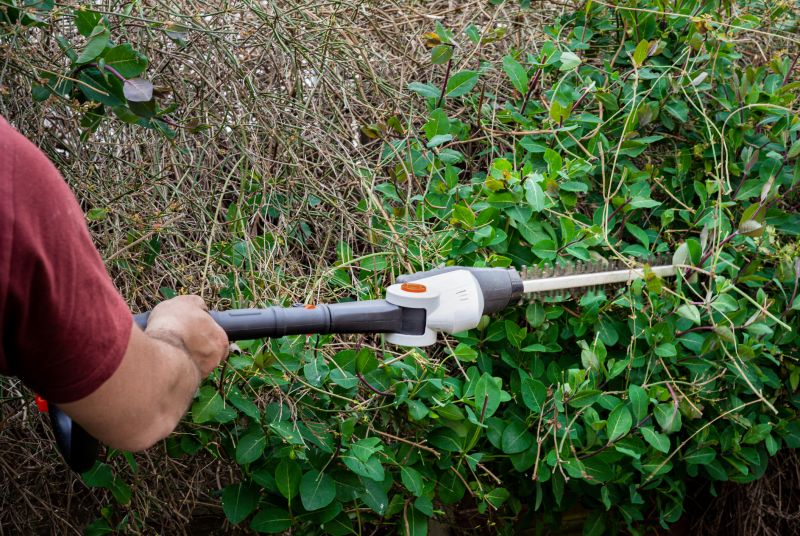
High-end options that actually feel worth it for Hedge Trimmings.
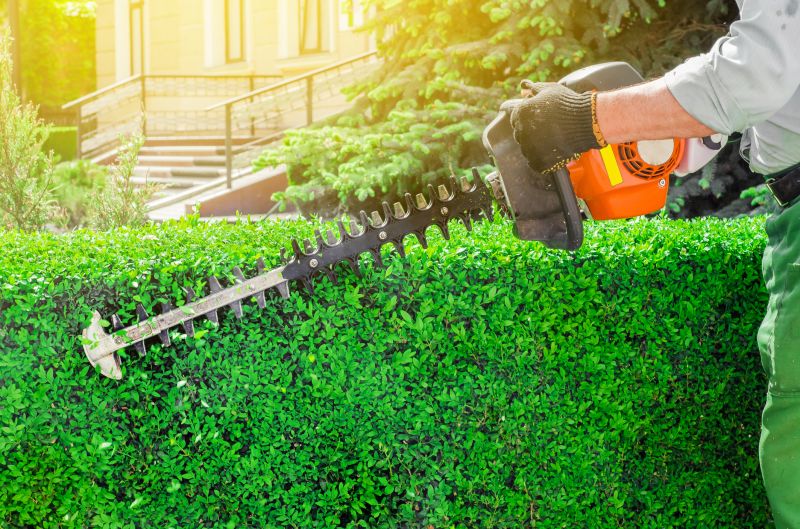
Finishes and colors that play nicely with Hedge Trimmings.
Little measurements that prevent headaches on Hedge Trimmings day.
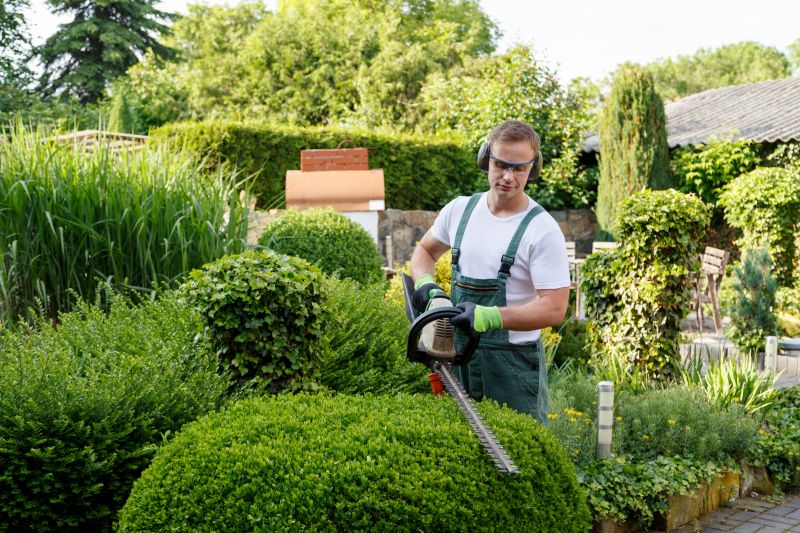
A 60-second routine that keeps Hedge Trimmings looking new.
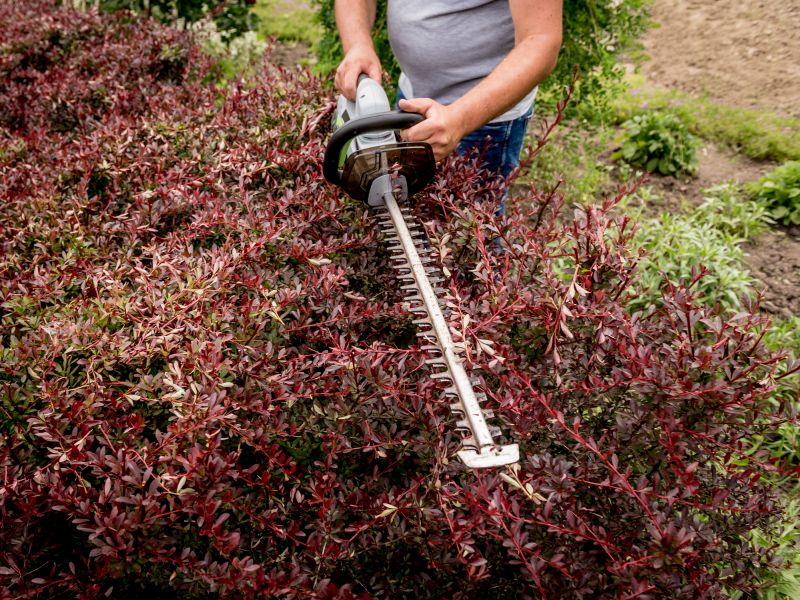
A frequent mistake in Hedge Trimmings and how to dodge it.
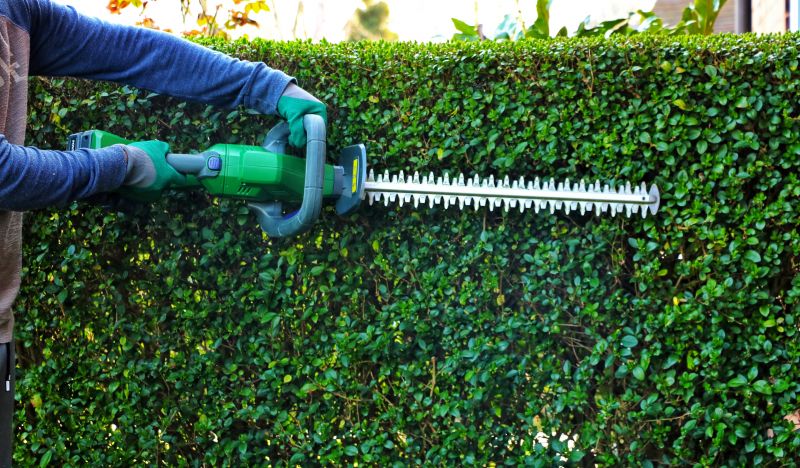
Small tweaks to make Hedge Trimmings safer and easier to use.
| Season | Suitable for |
|---|---|
| Late Winter | Encouraging new growth and shaping |
| Early Spring | Active trimming before growth begins |
| Late Summer | Maintaining shape and promoting fullness |
| Early Fall | Preparing for winter and removing dead branches |
| Avoid | Deep trimming during dormancy or frost periods |
Hedge trimmings are essential for maintaining the health and appearance of hedges. Proper timing ensures that plants grow densely and retain their shape. Regular trimming can also prevent overgrowth, improve air circulation, and reduce pest issues. Different hedge species respond best to specific trimming schedules, making it important to consider the plant type and local climate when planning maintenance.
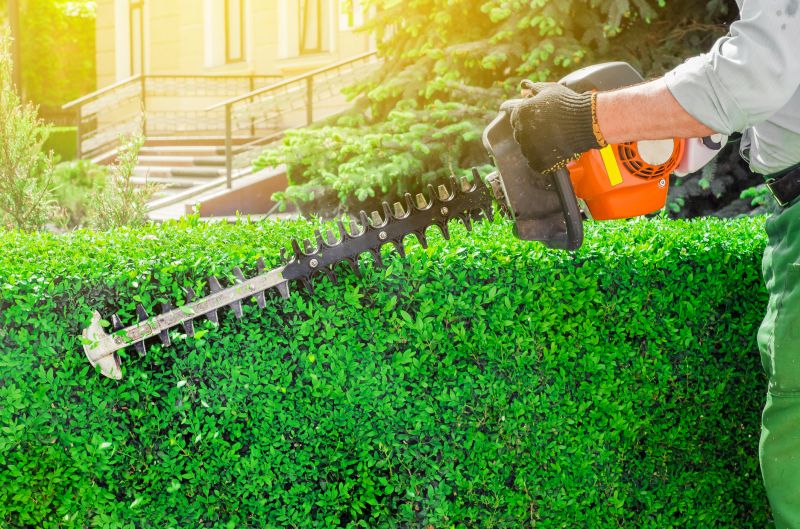
Lower-waste or water-saving choices for Hedge Trimmings.
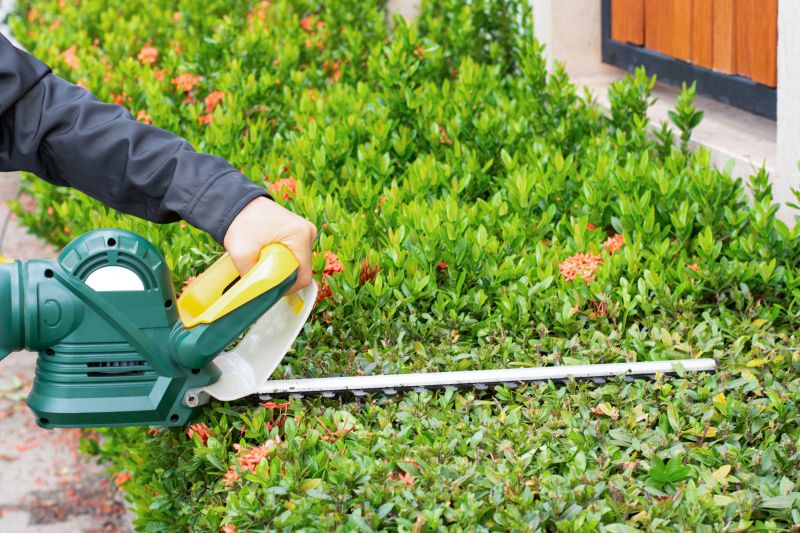
The short, realistic tool list for quality Hedge Trimmings.
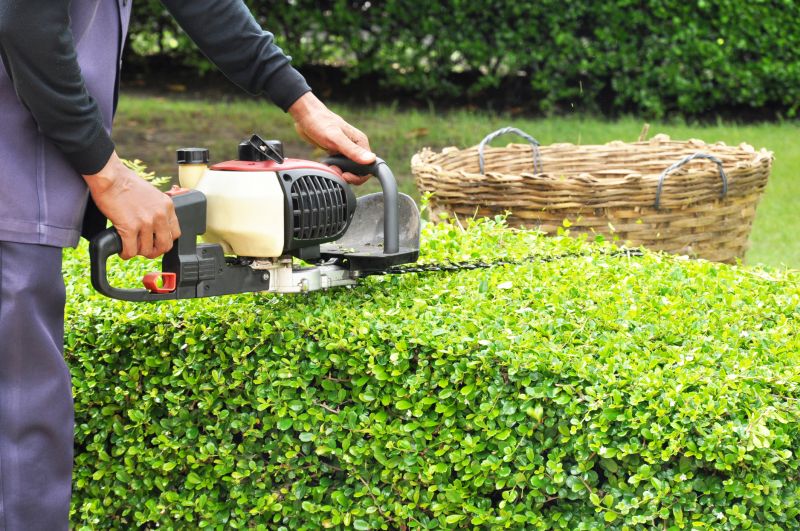
Rough timing from prep to clean-up for Hedge Trimmings.
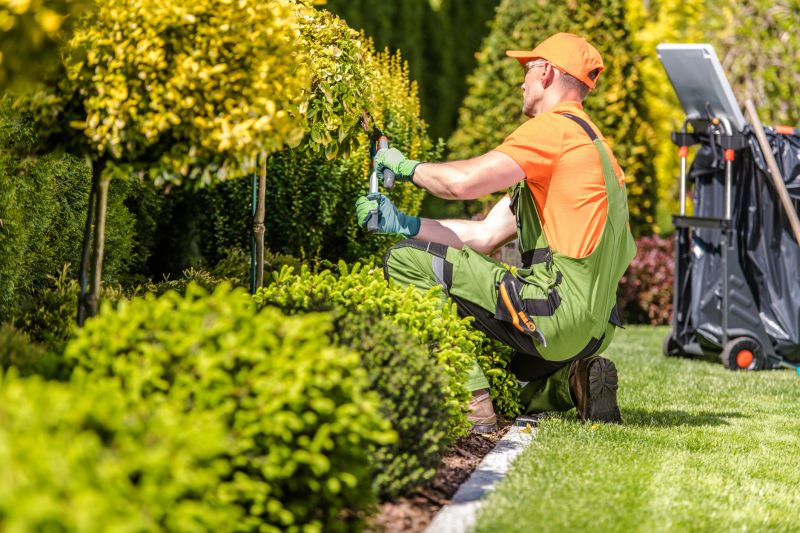
Quick checks and paperwork to keep after Hedge Trimmings.
Interested in professional hedge trimming services? Filling out the contact form can provide more information and assistance tailored to specific hedge types and local conditions.